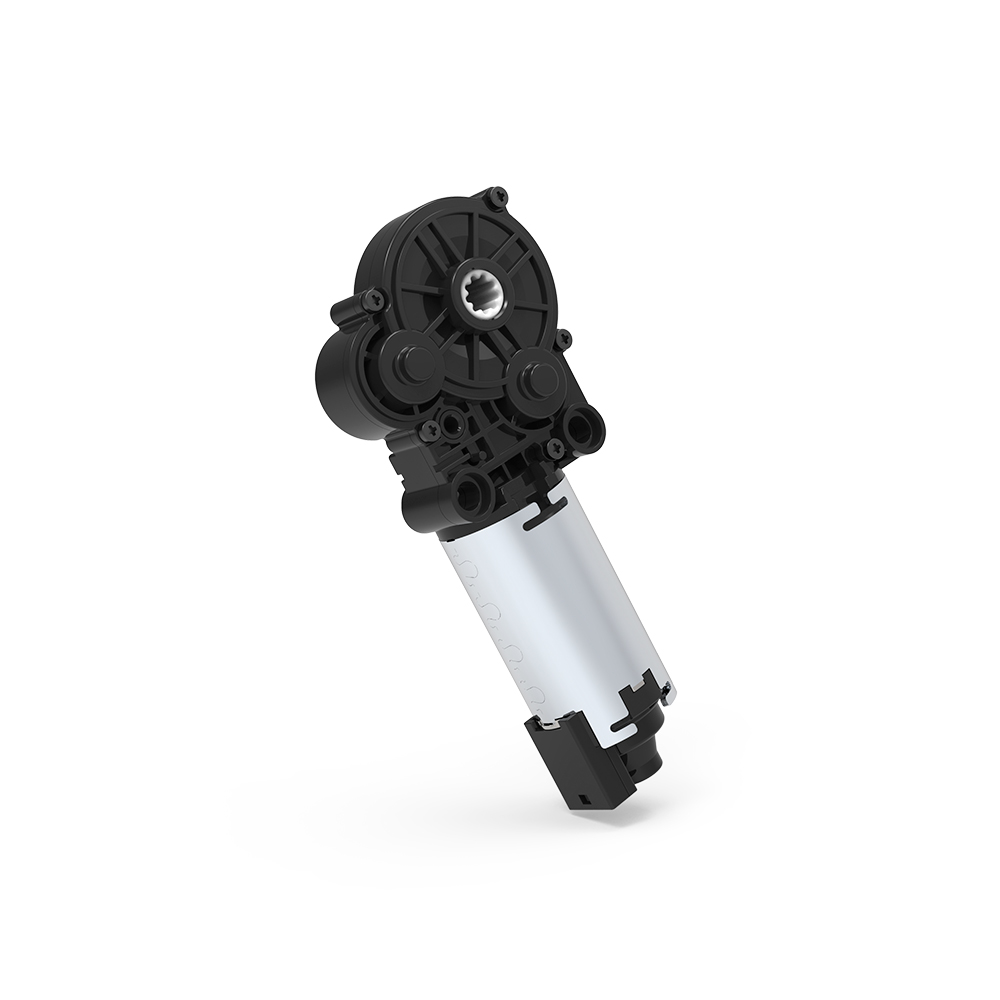
When a car seat motor requires service or replacement, the task often involves detaching its drive shaft. This component is the critical link transferring torque from the electric seat motor to the seat’s adjustment mechanism. Power Motor outlines a generalized methodology for this disassembly process, emphasizing the need for technical care to preserve component integrity.
Pre-Disassembly Preparation and Safety
The initial phase involves ensuring complete electrical isolation. Technicians must disconnect the vehicle’s battery and verify the system is de-energized before handling any car seat motor wiring. Gathering the correct tools, typically a set of precision screwdrivers, panel poppers, and relevant socket sets, is essential. The workspace should be organized to track fasteners and prevent the loss of small components during the procedure.
Accessing and Isolving the Motor Unit
Gaining access to the electric seat motor usually requires the careful removal of seat trim panels and bolsters. These plastic components are often secured with clips and should be released using non-marring tools to avoid damage. Once the motor is visible, its electrical connector must be detached. The motor is typically mounted using several bolts; these should be removed, noting their positions. The gearhead or coupling connecting the motor shaft to the seat mechanism will then be exposed.
Executing the Shaft Disconnection
The final step focuses on the shaft itself. The connection between the Power Motor shaft and the drive mechanism can vary; it may be a simple press-fit gear, a splined coupling, or a pin-secured linkage. For press-fit gears, a specialized gear puller is often necessary to avoid damaging the shaft. If a roll pin is present, an appropriately sized punch is used to drive it out. The shaft can then be separated from the assembly with a straight pull, ensuring no axial force is applied to the motor housing.
Successful shaft removal from a Power Motor electric seat motor hinges on methodical preparation and understanding the specific coupling type. This process allows for the repair or replacement of the electric seat motor, restoring full functionality to the system while protecting the integrity of Power Motor components.