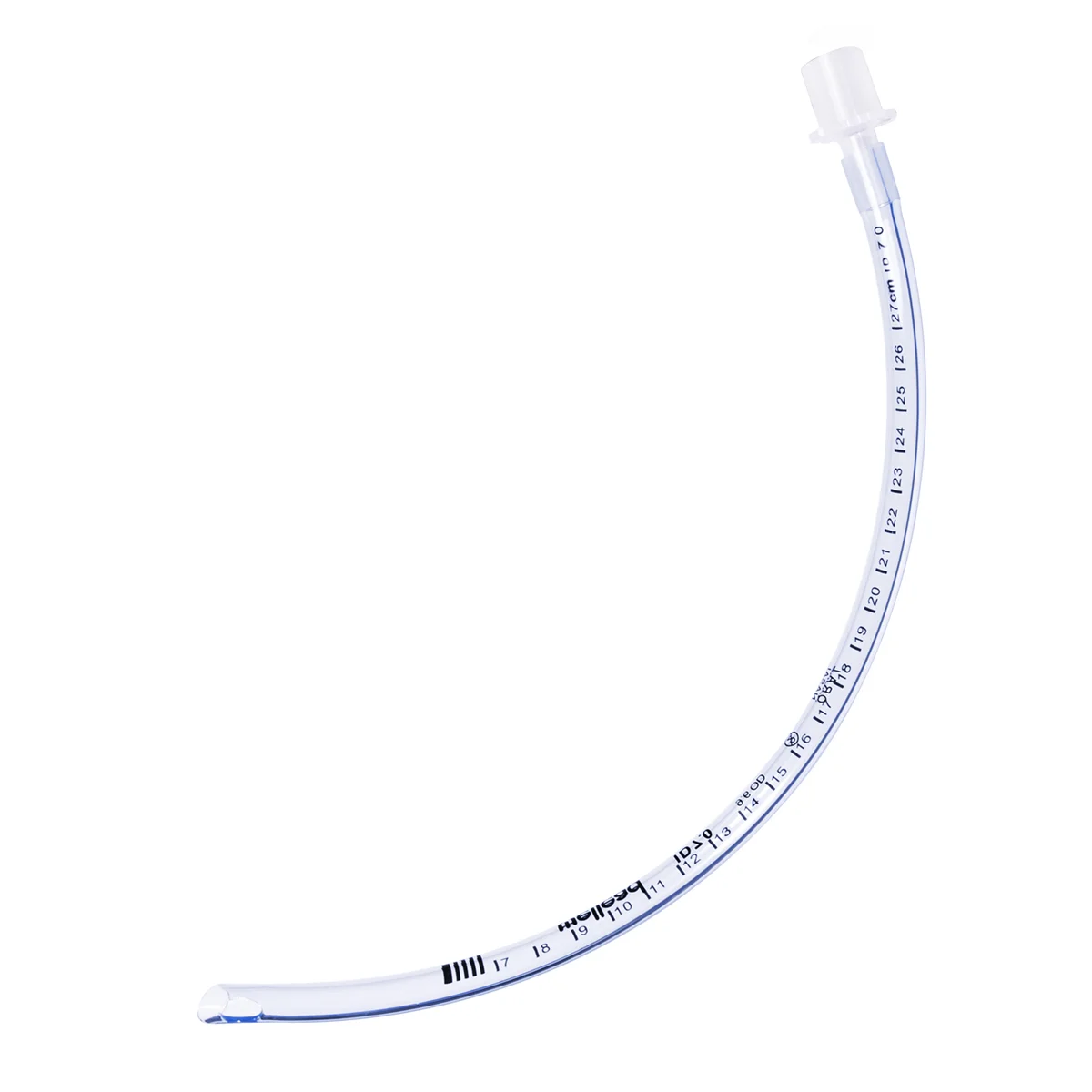
Well Lead Medical provides a variety of solutions for airway management, emphasizing patient safety and clinical efficiency. Among their offerings, different types of endotracheal tubes are designed to meet diverse clinical needs, ranging from adult anesthesia to pediatric care. Healthcare providers rely on these products to ensure effective ventilation while minimizing potential airway complications.
Cuffed and Uncuffed Tubes
One of the primary distinctions among different types of endotracheal tubes is between cuffed and uncuffed designs. Cuffed endotracheal tubes include an inflatable cuff that creates a secure seal within the trachea. This feature is particularly useful for adult patients undergoing general anesthesia or requiring mechanical ventilation, as it helps prevent air leaks and aspiration. Well Lead Medical offers a selection of cuffed ET tubes that are tailored to provide proper fit and stability. In contrast, uncuffed tubes are generally used in pediatric patients or specific situations where airway protection is less critical. These uncuffed ET tubes from Well Lead Medical support adequate airflow and reduce the risk of airway trauma, making them suitable for younger patients.
Reinforced Tubes for Challenging Scenarios
Another essential category within different types of endotracheal tubes is reinforced tubes. Reinforced ET tubes feature a wire coil that increases flexibility and prevents kinking, which is important during prolonged intubation or in patients with challenging airway anatomy. Well Lead Medical ensures that their reinforced tubes provide both durability and ease of use, offering healthcare professionals reliable performance in complex clinical situations.
Conclusion
Understanding the range of different types of endotracheal tubes is critical for medical teams to select the most appropriate device for each patient. By offering cuffed, uncuffed, and reinforced options, Well Lead Medical supports clinicians in optimizing airway management while maintaining safety and efficiency across various patient populations. Their products reflect a practical approach to clinical needs without unnecessary complexity.