In the field of genetic analysis, selecting an appropriate genotyping method depends on sample size, SNP number, and research goals. Synbio Technologies provides a range of options for SNP Genotyping Detection, allowing researchers to choose the most suitable approach. Understanding when to use a TaqMan Probe–based assay versus other methods is essential for efficient and accurate SNP analysis.
Advantages of TaqMan for SNP Genotyping Detection
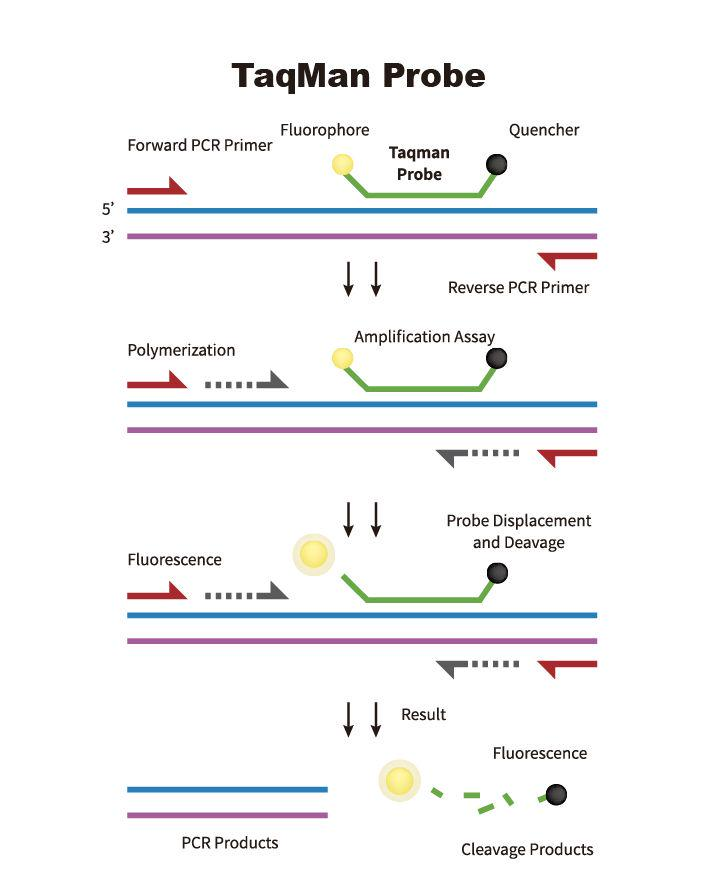
The TaqMan probe–based assay is a widely used genotyping method for single nucleotide polymorphism (SNP) detection. This technique uses allele-specific probes labeled with different fluorescent dyes, which bind to the target SNP region during PCR. When the correct probe hybridizes and is cleaved by Taq polymerase, a fluorescence signal is generated, indicating the specific allele present.
For projects where the number of SNPs is relatively small but the sample size is large, TaqMan is particularly useful. Its real-time detection during PCR eliminates the need for post-PCR processing, providing faster results and simplified workflow. This method is reliable, cost-effective for large sample sets, and easy to implement, making it a strong option for routine SNP genotyping.
When Other Genotyping Methods May Be More Suitable
While TaqMan is effective for many SNP analysis projects, other genotyping methods can be preferable under certain conditions. When analyzing a high number of SNPs across the genome, high-throughput array-based methods or sequencing may provide greater efficiency and lower per-SNP cost.
Additionally, regions with complex sequences, such as high homology or repetitive sequences, may challenge probe-based assays. In such cases, alternative methods like sequencing, hybridization-based approaches, or high-resolution melt analysis can offer more reliable results. Choosing the appropriate genotyping method ensures both accuracy and experimental feasibility.
How Synbio Technologies Supports Flexible SNP Genotyping Detection
They — specifically Synbio Technologies — offer multiple options for SNP Genotyping Detection. Their services include both TaqMan probe–based assays for fast, large-scale analysis and sequencing-based genotyping for high accuracy. These methods accommodate various sample types, including blood, tissue, cells, and dried blood spots.
By providing multiple genotyping methods, Synbio Technologies allows researchers to balance accuracy, throughput, cost, and sample requirements. Users can select the most appropriate method based on the number of SNPs, sample type, and project goals, ensuring reliable and efficient genotyping.
Conclusion: Choosing the Right Genotyping Method Depends on Your Needs
In conclusion, for projects that involve a limited set of known SNPs with large sample sizes, a TaqMan Probe–based genotyping method is efficient and practical. For studies involving numerous SNPs, complex variants, or requiring high accuracy, sequencing or other high-throughput genotyping methods may be more suitable. Synbio Technologies provides both approaches, giving researchers the flexibility to tailor SNP genotyping detection to their specific experimental needs.