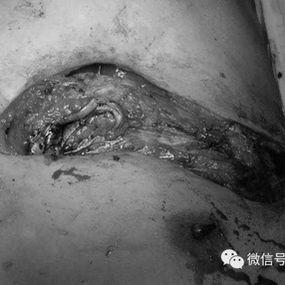
The duration of chest inflammation depends heavily on the underlying cause, ranging from a few days for minor muscle strains to several weeks for more complex issues. Simple pleurisy or costochondritis often subsides within a week or two with rest and anti-inflammatory medication. However, if the inflammation is rooted in a deep-seated chest wall infection, the recovery process can be much longer and require intensive medical intervention. In these serious cases, the body is fighting pathogens that have invaded the soft tissue, cartilage, or bone of the rib cage.
Recognizing Persistent Warning Signs
It is crucial to monitor for specific chest wall infection symptoms that distinguish a simple inflammatory response from a dangerous localized illness. Patients should look for localized redness, warmth, and significant swelling over the ribs or sternum, often accompanied by a persistent fever. If the pain is sharp and does not improve with standard over-the-counter treatments, or if there is visible drainage from a previous surgical site, it indicates that the inflammatory process has progressed into a systemic threat.
Diagnostic Pathways for Thoracic Complications
Accurate identification of the specific pathogen and the extent of tissue involvement is the next step in treating chest wall infection. A comprehensive physical examination is performed first to assess the location, extent, and severity of the infection. Imaging studies are crucial for further evaluation; chest X-rays and CT scans are considered routine; three-dimensional reconstruction can be performed if available to better determine the affected structures. In certain specific cases, such as incisional infection secondary to cardiac surgery, cardiac evaluation, including echocardiography, is also required. Given that chest wall infection constitutes an infectious process triggered by pathogenic invasion, identification of the pathogen is crucial and can be achieved through culture of preoperative wound exudate or blood samples, providing essential guidance for subsequent anti-infective therapy.
Advanced Management at ICWS
Chest wall infections are managed through either conservative treatment or surgical intervention, depending on severity. At the Institute of Chest Wall Surgery (ICWS), mild infections are primarily treated with targeted antibiotic therapy, nutritional support, and local management—including incision and drainage, as well as regular dressing changes—to control inflammation and promote healing. For severe cases that do not respond to conservative measures, surgical management may be considered to remove infected tissue and address structural involvement of the chest wall, ensuring effective infection control and functional stability.