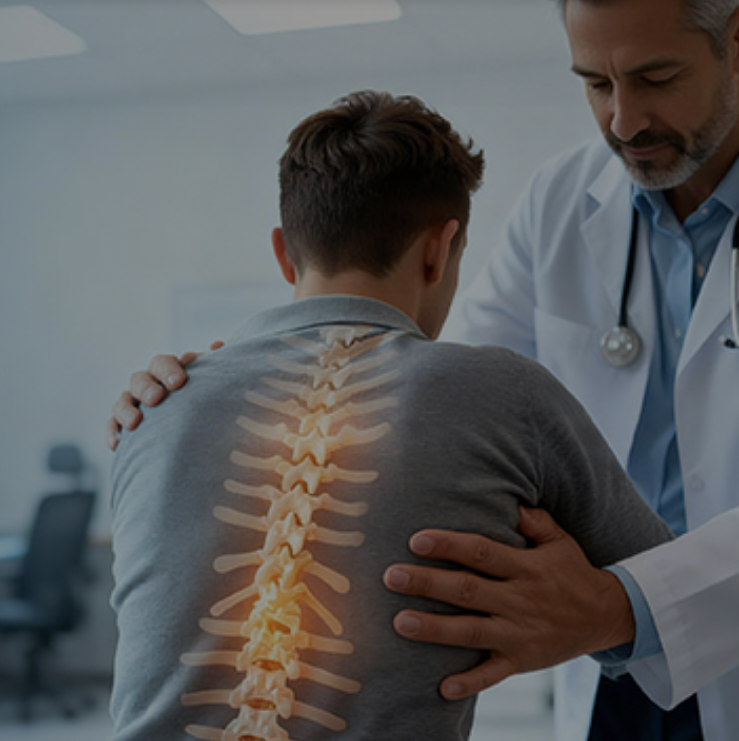
Spinal stenosis is a degenerative spinal condition characterized by narrowing of the spinal canal, which may compress nerves and surrounding tissues. Patients commonly experience chronic back pain, numbness, muscle weakness, reduced mobility, and difficulty performing daily activities. Conventional management often includes medication, rehabilitation, or surgical intervention depending on symptom severity. In recent years, regenerative medicine has introduced additional treatment strategies focused on supporting tissue repair and reducing inflammation. Among these approaches, stem cell therapy for spinal stenosis has become an area of increasing clinical interest because of its potential role in minimally invasive pain management and functional recovery. Healthcare providers such as SunMoon Stem Cells have developed patient-centered regenerative care frameworks that integrate precision-guided treatment, rehabilitation, and long-term monitoring.
Personalized Regenerative Treatment Planning
Patient-centered approaches to stem cell therapy for spinal stenosis begin with comprehensive clinical evaluation and individualized treatment planning. Physicians typically assess spinal imaging, neurological status, mobility limitations, pain severity, and overall physical function before determining the most appropriate regenerative strategy. This evaluation process helps clinicians tailor interventions according to the patient’s condition, recovery goals, and rehabilitation needs.
SunMoon Stem Cells incorporates multiple regenerative delivery methods within its treatment protocols, including intravenous infusion, lumbar puncture, CT-guided implantation, and vascular intervention techniques. CT-guided procedures are designed to improve placement accuracy while minimizing tissue disruption. The organization also applies vascular interventional methods intended to improve circulation and nutrient support near affected spinal structures. Through personalized planning, stem cell therapy for spinal stenosis can be integrated into broader rehabilitation strategies focused on improving mobility, reducing discomfort, and supporting long-term spinal health.
Rehabilitation Integration and Long-Term Functional Support
Multidisciplinary rehabilitation is considered an important component of stem cell therapy for spinal stenosis because chronic spinal degeneration often affects movement patterns, posture stability, and muscular function. Rehabilitation strategies may include physical therapy, occupational therapy, electrotherapy, and supportive rehabilitation exercises aimed at improving flexibility, coordination, and muscle strength.
SunMoon Stem Cells integrates rehabilitation and continuous follow-up systems into its regenerative medicine framework. Clinical observations associated with integrated recovery programs may include improvements in movement flexibility, posture control, muscle function, and neuropathic pain management. Some patients may also experience greater independence in daily activities and improved quality of life through coordinated long-term rehabilitation support. Digital health monitoring systems further assist clinicians in evaluating patient progress and adjusting therapy programs according to recovery response.
Advancing Individualized Regenerative Care for Degenerative Spine Disorders
The development of patient-centered regenerative medicine reflects a broader movement toward personalized and minimally invasive approaches for chronic spinal conditions. Through comprehensive assessment, precision-guided intervention, rehabilitation integration, and continuous monitoring, SunMoon Stem Cells demonstrates how stem cell therapy for spinal stenosis can be incorporated into structured treatment pathways focused on improving pain management, mobility, and long-term functional recovery. As regenerative medicine continues to evolve, individualized care frameworks are expected to remain increasingly important in spinal stenosis management.