Electronic systems continue to become smaller while requiring higher power density and stable operation. In these systems, magnetic components play an important role in energy conversion and signal transmission. However, heat generated during operation can influence component performance and service conditions.
Understanding thermal management in magnetic transformer design helps engineers develop more suitable solutions for power modules, communication equipment, and new energy applications. As an experienced magnetic component developer, Mentech focuses on customized designs that consider different application requirements.
Understanding Heat Sources Inside Magnetic Transformers
Magnetic transformers generate heat mainly because of electrical losses during operation. Copper losses occur when current passes through winding materials, while core losses are related to magnetic materials and operating frequency. These losses can increase the temperature of the component, especially when transformers work under continuous load conditions.
The thermal performance of a transformer depends on several design factors, including magnetic material selection, winding structure, operating frequency, and installation environment. Engineers need to evaluate these elements during the development process to create components that match the requirements of specific electronic systems.
For manufacturers and system developers, working with a magnetic transformer supplier that understands thermal considerations can help improve component selection. Proper design analysis allows engineers to balance electrical performance, size limitations, and heat control during product development.
The Relationship Between Transformer Structure and Heat Dissipation
Transformer structure has a direct influence on how heat moves away from the component. Compact designs are often preferred in modern electronic equipment because they save installation space, but smaller structures may also create challenges for heat dissipation. Engineers need to consider how materials and layouts affect temperature distribution.
Different transformer types use different structural approaches. High-frequency electronic transformers, for example, often require careful magnetic material selection because higher operating frequencies can influence core losses. Planar transformers use a flat structure that can support compact designs and easier integration with certain power modules.
A suitable design does not only focus on reducing size. It also considers airflow conditions, PCB layout, surrounding components, and expected operating environments. These factors help determine whether a transformer can maintain stable performance during practical applications.
Why Thermal Design Is Important for Power Electronics
Power electronics systems often operate for long periods and require reliable energy conversion. In applications such as power modules, inductors and transformers need to manage electrical energy while controlling heat generation. Excessive temperature may affect material properties and the overall efficiency of the system.
Magnetic components such as high-frequency electronic transformers, PFC inductors, and common-mode or differential-mode inductors are commonly used in power-related designs.Each component has different electrical characteristics, so thermal evaluation needs to be considered according to the specific circuit application.
A professional magnetic transformer supplier should have the capability to analyze application conditions and provide suitable component solutions. This includes understanding power requirements, installation limitations, and the relationship between electrical design and thermal performance.
Thermal Considerations in New Energy Applications
The growth of electric vehicles and renewable energy systems has increased demand for magnetic components used in power conversion equipment. In these applications, components often need to operate under changing loads and different environmental conditions.
Electric vehicle systems include components such as OBC transformers, DC-DC transformers, drive transformers, BMS transformers, and filter inductors. These magnetic devices support energy conversion and control functions, making thermal design an important part of product development.
In solar storage and charging systems, transformers and inductors are also used in inverter-related applications. Micro inverter transformers and high-power DC-DC transformers require designs that consider electrical performance and operating conditions. Thermal management helps engineers evaluate whether components are suitable for long-term industrial use.
How Manufacturers Evaluate Magnetic Component Performance
Developing magnetic components involves multiple stages, including design evaluation, material selection, sample verification, and production control. During this process, manufacturers analyze electrical parameters and thermal behavior to improve product compatibility with customer systems.
Testing methods may include checking temperature rise, electrical characteristics, and structural performance under defined conditions. These evaluations help identify potential design adjustments before large-scale production. For industrial customers, this development process supports more predictable component integration.
Mentech provides customized magnetic component development for applications including power electronics, communication equipment, and new energy systems. Their product range covers high-frequency electronic transformers, power inductors, network transformers, and other magnetic components designed for industrial applications.
Selecting a Magnetic Transformer Partner for Long-Term Projects
When companies search for a magnetic transformer supplier, they often consider technical experience, customization capability, and production consistency. Magnetic components need to match the electrical and mechanical requirements of the final equipment, so engineering communication is an important part of cooperation.
A supplier with experience in different application fields can help customers evaluate suitable transformer structures and related magnetic components. This approach is useful for projects involving power modules, automotive electronics, communication systems, and renewable energy equipment.
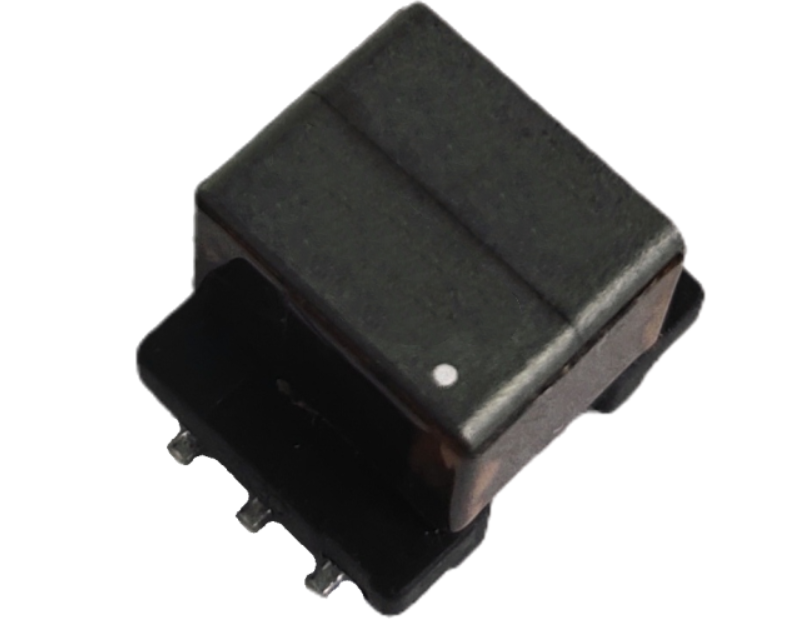
Mentech develops various magnetic components according to industrial application needs, including transformer and inductor products for power, new energy, optical storage charging, and communication fields. Their EP-581SG transformer, for example, is designed for POE applications with SMT mounting, dimensions of 13.3*10.0*9.0 mm, inductance of 300, power of 1, and a turn ratio of 1:0.119.
Conclusion
Thermal management is an important consideration in magnetic transformer design because it affects how components perform under practical operating conditions. From power modules to new energy and communication systems, engineers need to consider electrical losses, structure, and application environments together. Through customized magnetic component development, Mentech supports industrial customers with products designed for different technical requirements.