Managing diabetes in companion animals presents a continuous challenge extending far beyond a traditional veterinary clinic. Effective treatment relies heavily on consistent physiological monitoring conducted by pet owners within the home environment.
Intermittent blood glucose measurements provide useful point-in-time readings but may not capture glucose fluctuations occurring between testing intervals. Sporadic blood draws provide isolated physiological snapshots which might easily miss dangerous postprandial spikes or silent nocturnal hypoglycemic events.
Modern software platforms transform this dynamic by collecting comprehensive daily metrics and organizing them for clinical review. When pet owners use dedicated monitoring apps, they can provide veterinarians with additional information to support clinical assessments and treatment planning.
Capturing Continuous Glycemic Trends And Daily Fluctuations
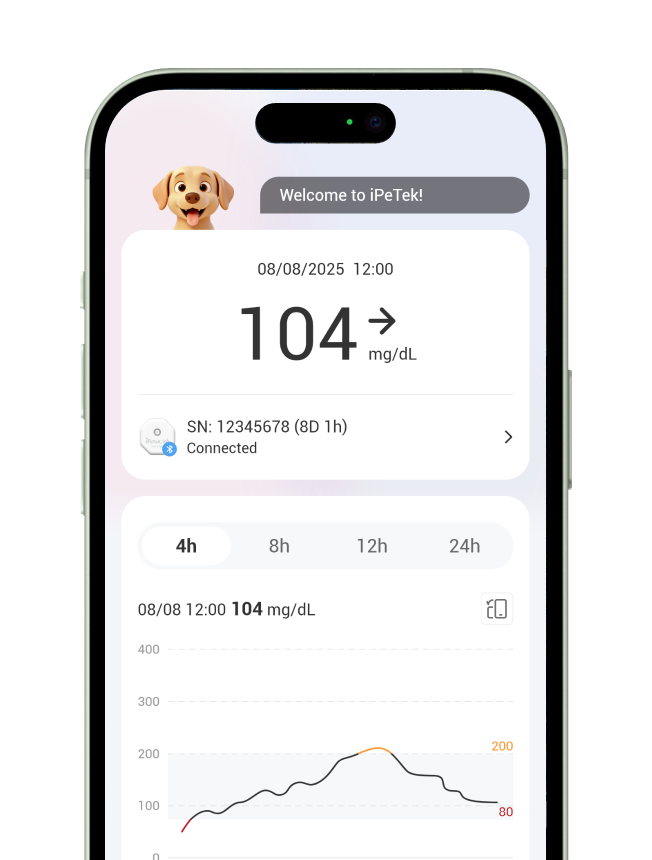
The foundational element of an effective digital platform is recording continuous metabolic readings without causing unnecessary animal distress. Rather than relying solely on intermittent blood sampling, CGM systems measure interstitial glucose at regular intervals, while connected software receives and displays the readings.
This continuous data stream creates a detailed glucose curve that can help veterinarians observe changes potentially associated with feeding, activity, stress, or insulin administration. Veterinary teams rely heavily on these continuous trend lines to evaluate overall glycemic stability and identify specific periods of vulnerability.
Having access to graphical representations helps clinicians distinguish between transient stress induced elevations and chronic metabolic dysregulation. When owners sync hardware to a comprehensive pet glucose monitoring app this raw data translates into intuitive clinical dashboards.
These visual dashboards save incredibly valuable time during follow up appointments by immediately highlighting recurring patterns requiring medical attention. Clinicians can spend consultation time discussing actionable adjustments rather than deciphering handwritten logs or fragmented reading histories.
Integrating Dietary Context And Nutritional Intake Details
Physiological readings offer limited clinical value when completely divorced from daily lifestyle events such as feeding times. Differences in food composition, portion sizes, and feeding schedules can influence post-meal glucose responses, although these responses also depend on insulin treatment and individual factors.
Software platforms intended for veterinary use should feature intuitive logging tools allowing owners to record meal schedules effortlessly. Documenting specific types and quantities of food consumed provides crucial context for accurately interpreting sudden postprandial glucose elevations.
Veterinarians can review feeding records and glucose trends alongside body weight, clinical signs, and nutritional needs to assess whether the current diet remains appropriate. If significant spikes consistently follow morning meals, clinicians might recommend splitting daily rations or switching to lower carbohydrate formulations.
Capturing dietary habits digitally ensures unintentional memory lapses or daily miscommunications do not obscure the true cause of poor glycemic control. This synchronized software approach empowers care teams to offer personalized nutritional guidance aligning precisely with patient needs.
Recording Insulin Administration And Dosage Adjustment Histories
Precise medication tracking remains another vital software component significantly enhancing the overall safety and efficacy of ongoing diabetes management. Complex treatment plans require strict adherence to prescribed insulin schedules to prevent severe fluctuations and maintain long term equilibrium.
Digital logging features enable devoted guardians to record exact times and precise dosages of every single insulin injection administered. Comparing these crucial administration timestamps against continuous glucose curves helps veterinarians evaluate the onset peak and duration of medication action.
This comparative clinical analysis proves essential for identifying potential underlying issues such as acquired insulin resistance or Somogyi overswing responses. If interstitial glucose levels drop too rapidly following injections clinicians can utilize digital evidence to safely reduce dosages.
Partnering with reputable medical technology providers like Sinocare ensures software architectures supporting these features are built on decades of professional healthcare expertise. The iPeTek app includes event logging for insulin injections, meals, and exercise, allowing pet owners to record these details alongside glucose readings. These records can be shared with veterinary teams to support their review of treatment progress.Sinocare’s broader CGM portfolio also includes the iCan CGM system for human users.
Documenting Physical Activity And Subtle Behavioral Changes
Daily exercise and spontaneous physical movement profoundly impact glucose utilization in diabetic dogs and cats by naturally increasing insulin sensitivity. Energetic play sessions or unusually long walks can precipitate sudden drops in blood sugar requiring careful clinical observation.
Effective digital tracking solutions allow conscientious owners to log periods of increased physical exertion alongside routine physiological sensor metrics. Correlating detailed exercise logs with corresponding glucose dips helps care teams establish safe activity guidelines tailored specifically to individual endurance levels.
Furthermore advanced digital platforms should actively encourage owners to document subtle behavioral shifts such as increased lethargy or excessive water consumption. These qualitative domestic observations often serve as early clinical indicators that previously stable diabetic conditions are gradually becoming unregulated.
When critical behavioral notes are viewed seamlessly alongside quantitative metabolic data veterinarians gain a truly holistic understanding of overall patient wellbeing. This comprehensive view enables proactive medical interventions before minor metabolic imbalances silently escalate into critical emergencies requiring hospitalization.
Facilitating Remote Clinical Review And Seamless Communication
The primary goal of gathering extensive home care data is facilitating seamless ongoing collaboration between pet owners and medical teams. Software ecosystems specifically designed for veterinary applications streamline this entire process by automatically generating standardized ambulatory glucose profiles.
These structured digital reports elegantly condense weeks of continuous sensor data medication logs and lifestyle notes into easily digestible visual formats. Secure remote sharing capabilities allow busy clinics to review comprehensive summaries thoroughly prior to formal follow up examinations or telehealth consultations.
The iPeTek app synchronizes glucose readings from the iPeTek CGM sensor and allows owners to log daily events alongside those readings. These records can be shared with veterinary teams for remote review. Organized digital records can reduce reliance on handwritten notes and help pet owners communicate relevant monitoring information more clearly to veterinary teams.
By reviewing comprehensive digital profiles remotely veterinarians can monitor therapeutic progress consistently and make timely treatment adjustments which may help reduce the need for some in-clinic visits. Utilizing sophisticated tracking software ultimately fosters a collaborative proactive approach to veterinary care significantly enhancing patient quality of life.