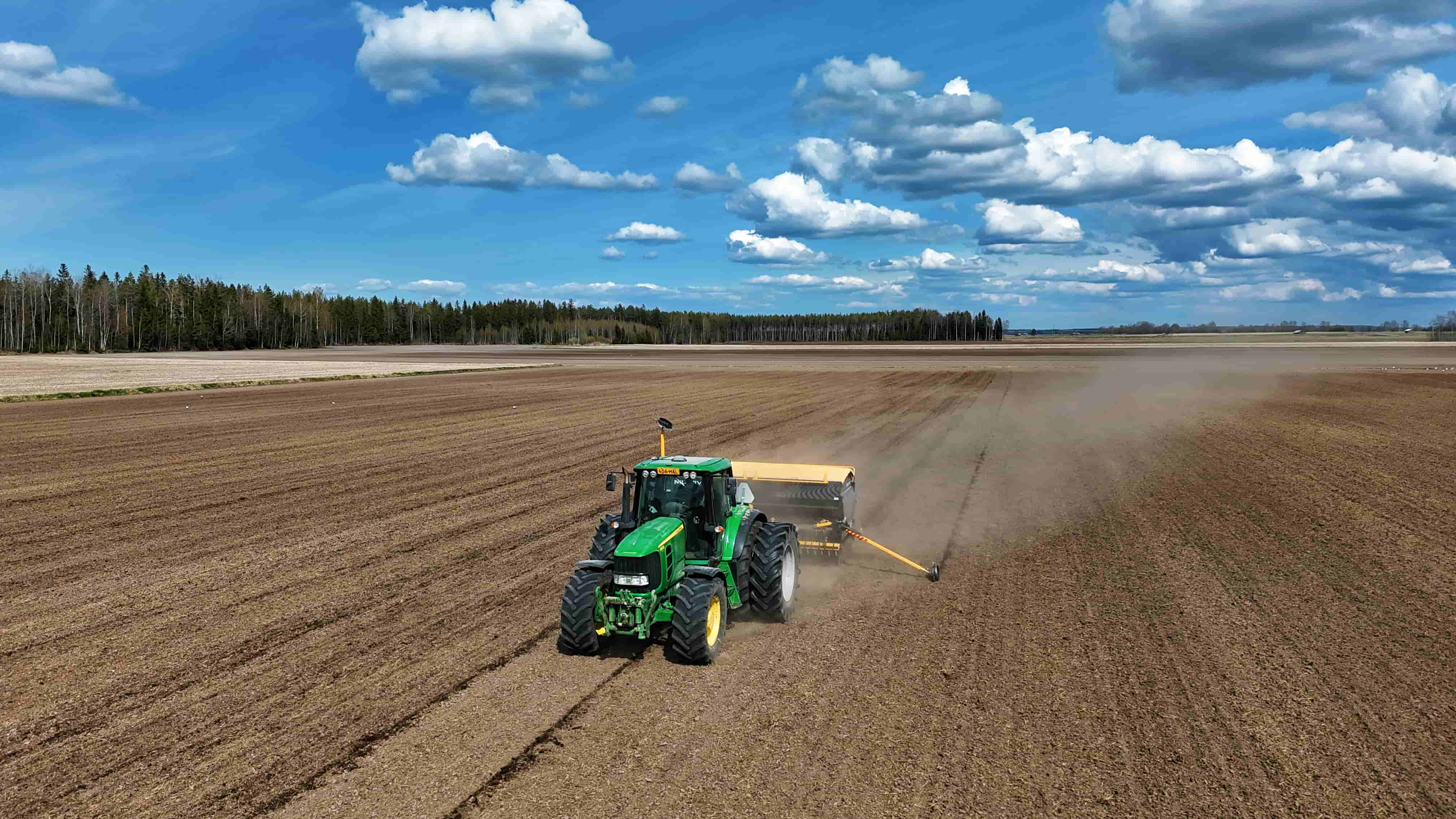
Modern farming depends on accurate field operations to improve work efficiency and reduce unnecessary overlaps during daily tasks. Tractor guidance technology has become an important part of precision agriculture because it helps operators follow planned routes with better consistency.
Setting up a GNSS auto steer system requires understanding the tractor structure, positioning equipment, and calibration process. This article explains the main steps involved in installing and adjusting this technology while exploring how smart farming tools support agricultural operations.
Understanding the Basic Components Before Installation
Before installing an automatic steering solution, farmers need to understand the main components involved. A typical system includes a GNSS receiver, display terminal, steering controller, and related sensors. These parts work together to collect positioning data and control tractor movement according to preset paths.
The GNSS receiver collects satellite signals to determine the tractor’s location in the field. The display terminal allows operators to create guidance lines, monitor working status, and adjust settings. The steering controller connects the positioning information with the tractor’s steering mechanism.
A proper installation process starts with checking tractor compatibility. Different tractor models may require different connection methods, especially when integrating electronic or hydraulic steering systems. Confirming these details helps avoid installation problems during later operation.
Preparing the Tractor and Installing Hardware
The first practical step is preparing the tractor for hardware installation. Operators usually need to install the GNSS antenna in a suitable position, often on the top of the tractor cabin, where it can receive stable satellite signals. The mounting position should remain fixed to support accurate positioning.
After installing the antenna, the control terminal is placed inside the cabin. The operator should have a clear view of the screen while driving. Power connections and communication cables also need careful arrangement to avoid damage during field work.
When selecting agricultural automation equipment, compatibility and installation flexibility are important considerations. EFIX provides agricultural guidance solutions designed for different tractor applications. They offer products such as automatic steering systems that combine GNSS positioning technology with steering control functions. Their solutions can support farmers and equipment partners during the transition toward smarter farming methods.
Calibrating the System for Accurate Tractor Guidance
After hardware installation, calibration is necessary before field operation. Calibration allows the system to understand the tractor’s movement characteristics, including steering response, wheel angle, and vehicle dimensions.
Operators usually need to input basic tractor information into the terminal. This may include wheelbase, antenna height, and the distance between the antenna and the steering point. Accurate measurements help the system calculate the tractor’s position more effectively.
The calibration process may include driving the tractor on a flat surface and testing steering performance. During this stage, operators can adjust sensitivity settings according to field conditions and machine behavior.
A well-calibrated GNSS auto steer system can help tractors maintain planned routes during operations such as planting, spraying, and fertilizing. This reduces manual steering adjustments and allows operators to focus more on monitoring equipment and field conditions.
Creating Guidance Lines and Testing Field Performance
Once calibration is completed, operators can create guidance paths based on field requirements. Common guidance patterns include straight lines, curves, and field boundaries. The selected pattern depends on the farming activity and land layout.
Testing should be performed before full-scale operation. Operators can drive the tractor along the planned route and observe whether the system follows the expected path. If there are small deviations, settings can be adjusted through the control terminal.
Environmental factors can also affect positioning performance. Trees, buildings, terrain changes, and satellite signal conditions may influence GNSS reception. Understanding these factors helps operators choose suitable working conditions and maintain stable operation.
Modern tractor guidance technology is not only about automatic steering. It also supports more organized field management by providing accurate location information during different farming processes.
Exploring EFIX Agricultural Steering Solutions
With the growing demand for precision farming equipment, agricultural manufacturers continue developing solutions that connect positioning technology with machinery control. EFIX focuses on providing smart agriculture products, including automatic steering solutions for tractors.
Their auto steering systems are designed around GNSS technology and can be integrated into agricultural machinery applications. The solutions are used to support tasks that require consistent tractor movement, such as field preparation and crop management.
For users looking for a practical GNSS auto steer system, selecting suitable hardware and completing correct installation steps are important parts of achieving reliable tractor guidance. Equipment selection should match tractor type, farming requirements, and expected working conditions.
Maintenance Tips for Long-Term System Operation
Regular maintenance helps keep agricultural guidance equipment working properly. Operators should check cable connections, antenna mounting, and software settings before field activities. Small issues can affect positioning stability if they are not addressed early.
Software updates and system checks are also important. Manufacturers may improve system functions through updates that support better compatibility and operation. Keeping records of calibration settings can also make future adjustments easier.
Proper operation habits are another important factor. Operators should understand system functions instead of depending only on automatic control. Combining technology with practical farming experience can help achieve more efficient field management.
Building More Efficient Tractor Operations with Smart Guidance
Setting up a tractor guidance system involves several steps, from hardware installation and calibration to field testing and maintenance. Each stage affects the final operating experience and positioning performance.
As precision agriculture continues developing, technologies such as GNSS auto steer system solutions are becoming useful tools for modern tractor operations. Companies like EFIX provide agricultural automation equipment that connects GNSS positioning with steering control, helping farming professionals explore more organized and technology-based field management methods.