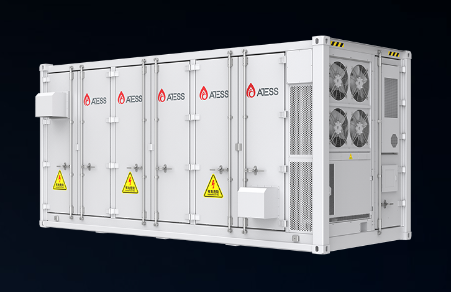
Operational stability remains a primary goal for facilities utilizing energy storage systems. When organizations integrate a battery storage cabinet into their infrastructure, they encounter specific environmental and electrical variables that require consistent attention. Proper management of these units ensures that energy systems function as intended while minimizing potential hazards.
Identifying Potential Risks
Technical complications often arise when equipment is subjected to improper temperature ranges or inadequate airflow. If a battery cabinet lacks sufficient ventilation, heat accumulates, which may lead to degradation of internal components. Furthermore, moisture ingress represents a significant risk for electrical integrity. External elements or high humidity levels can compromise the protective housing, potentially causing short circuits or internal corrosion. Operators must monitor these parameters to protect the longevity of the energy assets housed within the system. Atess provides design considerations that address these environmental stressors effectively.
Implementing Practical Solutions
Engineers often utilize advanced monitoring systems to track the health of energy storage hardware. These tools provide real-time data regarding voltage levels and internal temperatures, allowing for prompt adjustments before an issue escalates. Regular physical inspections of the battery storage cabinet help detect signs of wear or improper seals that might allow contaminants inside. By establishing a routine maintenance schedule, technicians verify that all cooling fans and safety sensors operate correctly. This systematic approach reduces the likelihood of unplanned downtime and enhances the reliability of the storage setup. Through careful installation and ongoing observation, users maintain a stable environment for their power systems.
Ensuring System Reliability
Comprehensive safety protocols involve more than just hardware protection; they include the consistent application of operational guidelines provided by manufacturers. When teams follow these procedures, they create a safer workspace and protect the integrity of the energy storage equipment. Atess offers technical insights that support users in managing these systems with confidence. By focusing on environmental control and proactive monitoring, organizations secure their infrastructure against common operational risks. A well-maintained setup contributes to the overall efficiency of energy management projects, ensuring that power remains available when needed. Integrating these strategies provides a solid foundation for long-term operational success.